In its sustainability reporting Krones has reached another milestone: The Non-financial Statement (NFS) – an integral part of the Group Annual Report – was for the first time prepared fully in accordance with the requirements of the European Corporate Sustainability Reporting Directive (CSRD) and the European Sustainability Reporting Standards (ESRS). This was done voluntarily as the national implementation of the CSRD in Germany is still pending. Krones is thus sending a clear signal for transparency and accountability in corporate governance and strengthening process reliability for future legal requirements.
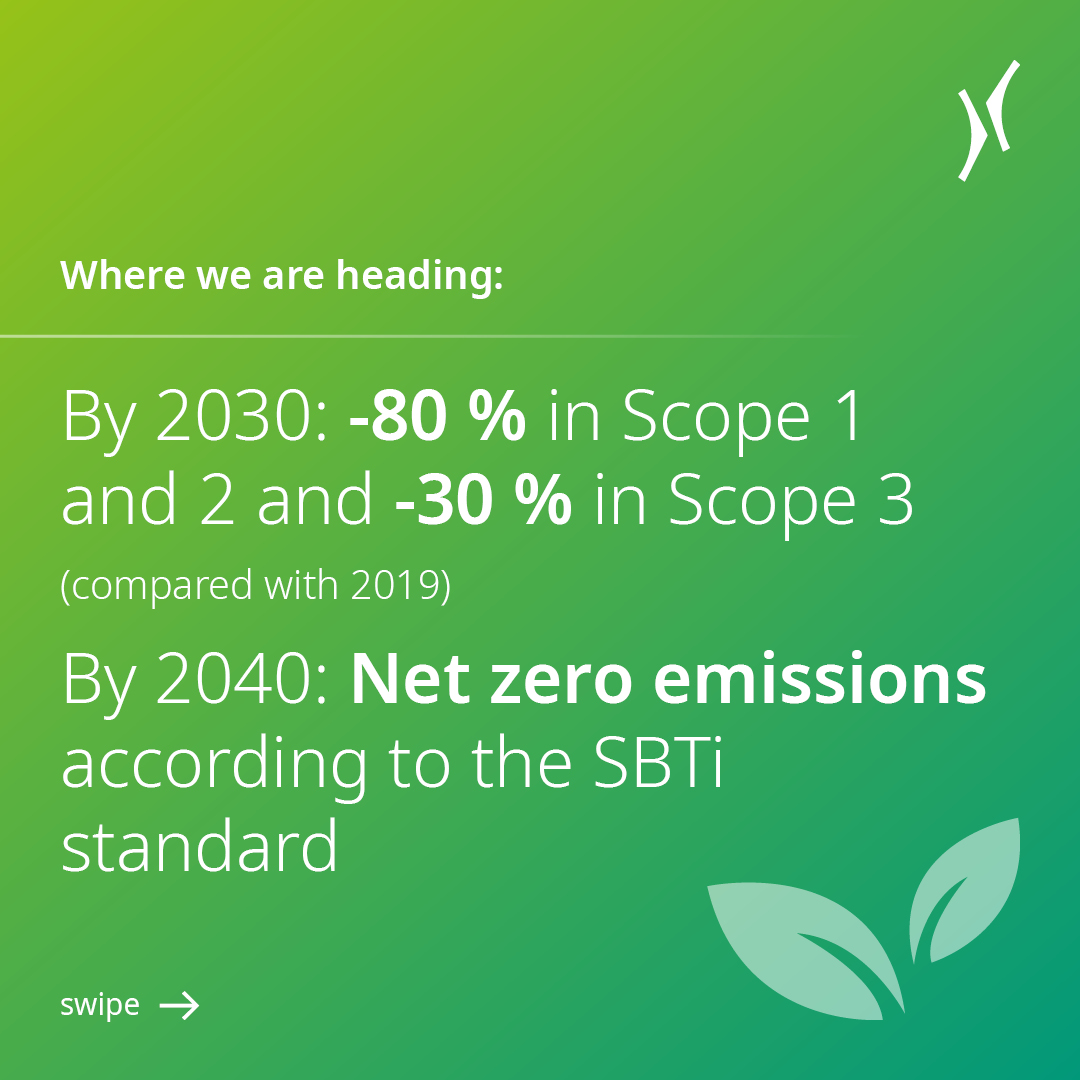
As early as 2024 Krones set itself the goal of reducing its greenhouse gas emissions along the entire value chain to net zero by 2040. Concrete interim targets were defined for 2030: Compared to the baseline year 2019 the company aims to reduce its own operational greenhouse gas emissions (Scope 1 and 2) by 80 per cent and those in the upstream and downstream value chain (Scope 3) by 30 per cent.
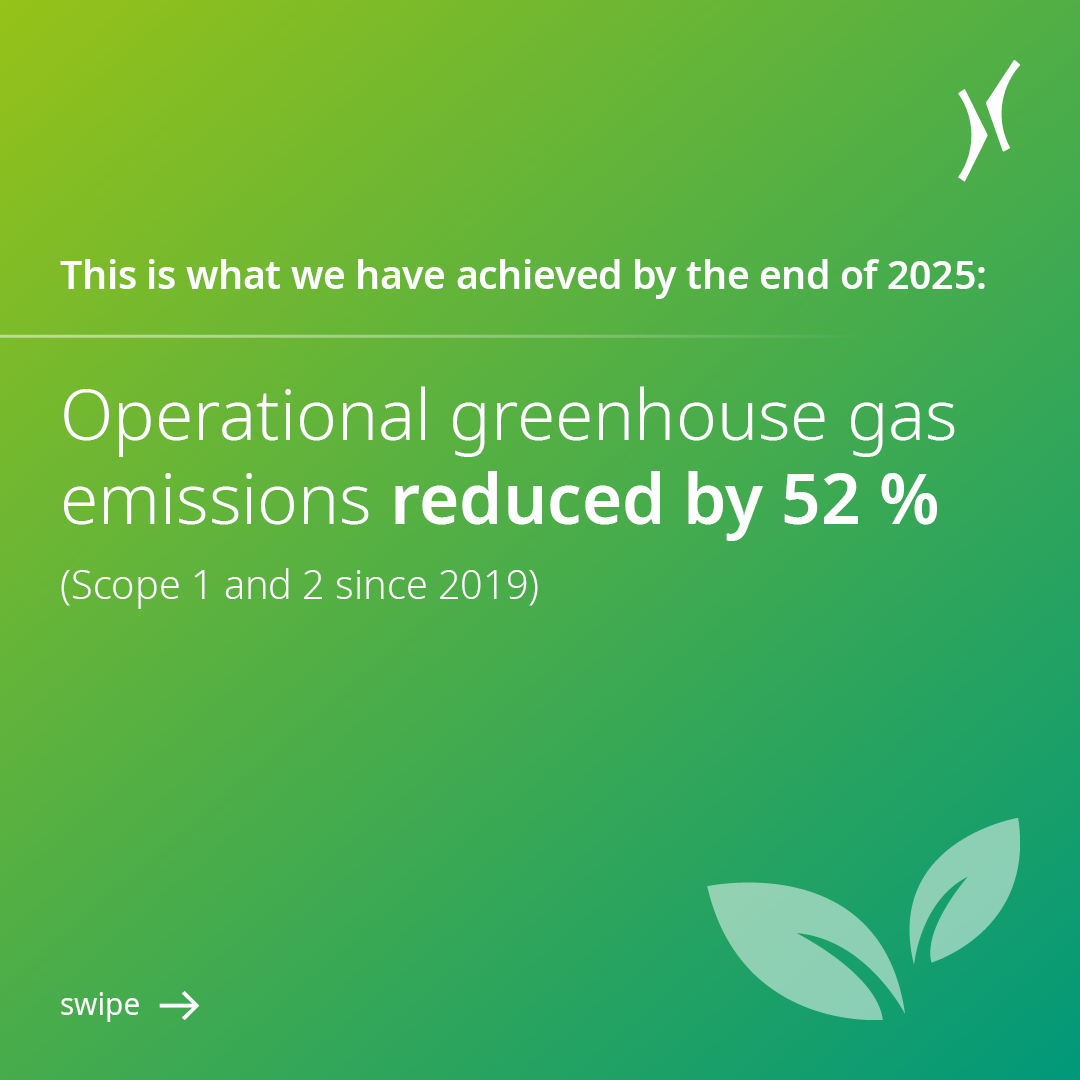
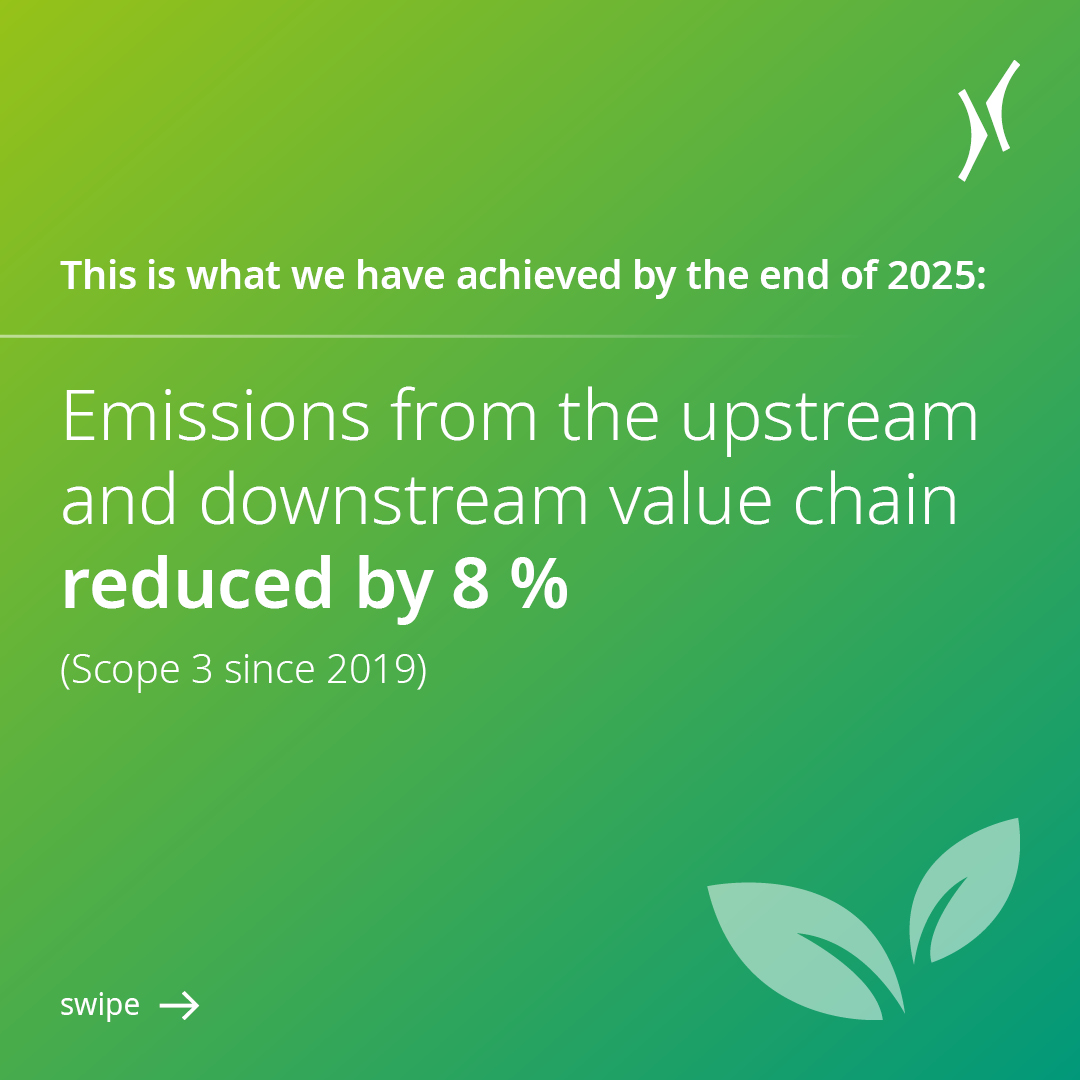
The greatest challenges in Scope 1 and 2 in 2025 were the high global capacity utilisation and the colder winter temperatures at European sites compared to the previous year. Both factors were compensated for by the targeted expansion of electrified heat generation and an increased switch to electric company vehicles. Overall, this made it possible to maintain emission savings at the already high level of the previous year (-52 per cent compared to 2019). In Scope 3 Krones achieved a reduction of -8 per cent compared to the baseline year, as well as an overall positive market trend: For Krones machines that are available both in the standard version and in an energy and media efficient enviro version customers opted for the enviro variant in almost 80 per cent of cases.