The history of non-alcoholic beer goes back farther than you might think. From as early as 1900, there have been numerous attempts to make alcohol-free beers. In the 1920s and 1930s, in particular, during the Prohibition era in the USA, people devoted a lot of time and effort to producing non-alcoholic beers. But the methods initially used, like stopping fermentation at an early stage or diluting the drink, resulted in alternatives that left a lot to be desired in terms of taste. The topic did not gain substantial momentum again until the 1970s, when new processes were researched and vacuum distillation, which had been developed for removing alcohol from beer back in the 1930s, was perfected for the market. Further methods for producing non-alcoholic beers, such as membrane filtration, using special yeasts or aroma recovery, were gradually added over the years. Since the turn of the millennium, more and more German breweries have ventured into the field of non-alcoholic beers, which have meanwhile established themselves on the market as a genuine alternative to their alcoholic counterparts.
Beer brewing can look back on centuries of tradition and yet consumption figures are currently falling, especially in Germany, Austria and Switzerland. But necessity is the mother of invention, as vividly demonstrated by many breweries: Non-alcoholic drinks have become ever more popular, and these include non-alcoholic beers.
Beer consumption in Germany is falling – but non-alcoholic variants are on the up
One look at the market figures shows that breweries definitely need this second source of revenue. According to analyses published by GlobalData, consumption of traditional beer (meaning beer with an alcohol content) has been decreasing since 2022 throughout Germany while an uptrend in consumption of non-alcoholic beer variants has been observed during the same period (see bar charts below). As a result, the non-alcoholic-beer sector has been slightly growing over the past few years.
However, that trend is not restricted to the German beer market alone. Consumers’ interest in non-alcoholic drinks is rising all over the world, and that goes not only for alcohol-free beer but also for alcohol-free cocktails (mocktails) and alcohol-free spirits. GlobalData examined the trend in detail and in 2023 conducted a survey revealing that it is driven primarily by younger generations like Gen Y and Gen Z (see graph). And GlobalData also analysed the myriad reasons for this development because understanding them will help beverage producers respond to the market’s future requirements.
Changing mindsets: health comes first
It is striking that demand for non-alcoholic drinks has risen sharply, especially since the early 2020s. According to GlobalData, the reason for this phenomenon is a general change in mindset. Following the pandemic, physical health has substantially gained in perceived importance for many people. And striving for a healthier lifestyle also impacts their behaviour patterns. For example, one of the decisive factors prompting them to buy a certain product is the question of how it will affect their health and wellbeing. So it makes sense that consumers will want to do without constituents that are considered harmful to their health. With soft drinks, they prefer the sugar-free variant, and as far as traditionally alcoholic drinks are concerned, they will increasingly choose the non-alcoholic alternative.
Receptive to new ideas
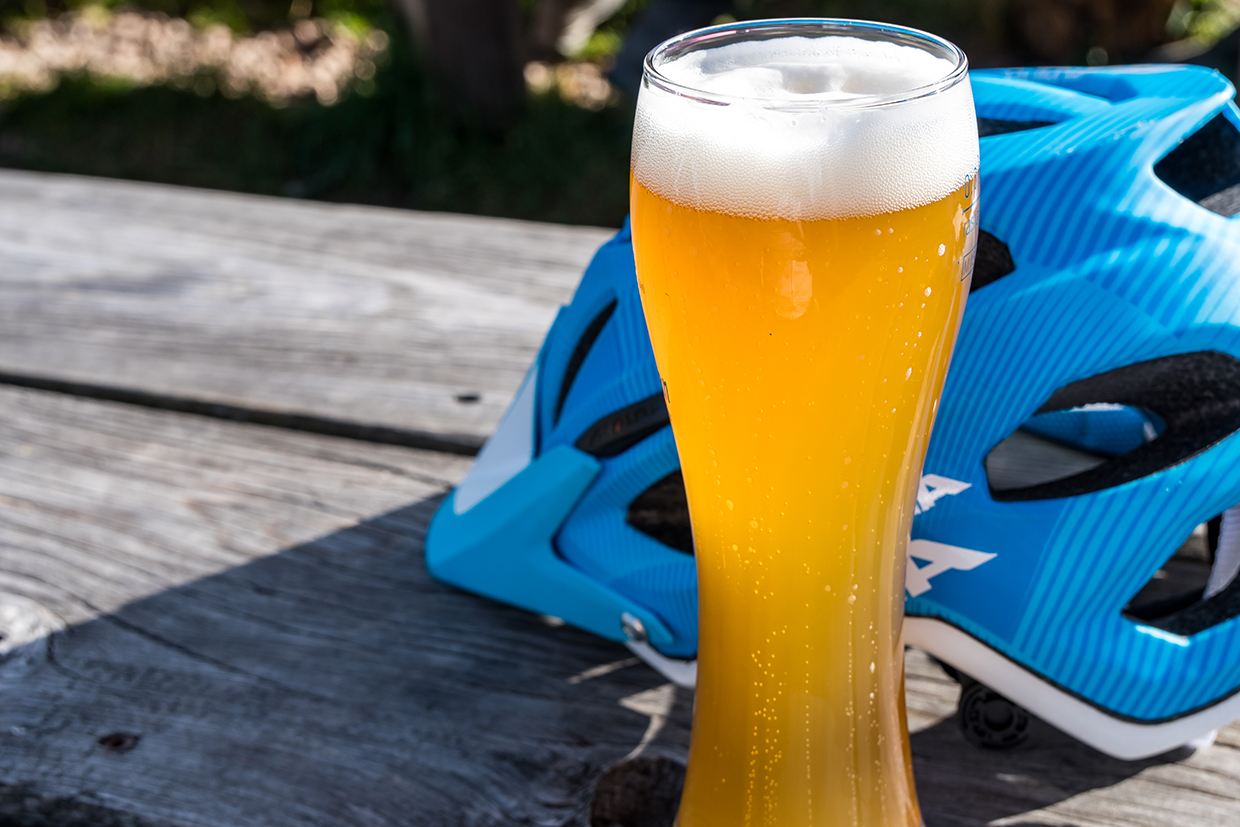
GlobalData sees yet another reason for booming non-alcoholic-drinks sales in the fact that younger generations aren’t afraid to experiment. No longer so strongly bound to the beer and spirits sectors’ traditional products, they are more receptive to creative new flavours. According to a survey conducted by Mintel, 62 per cent of German beer drinkers aged between 18 and 34 would be interested in trying out a beer-based mixed drink with fruit juice. Not only does that entail some challenges for traditional breweries, it also offers them quite a lot of opportunities: Innovative non-alcoholic beers can combine the wish for healthier alternatives with new flavours.
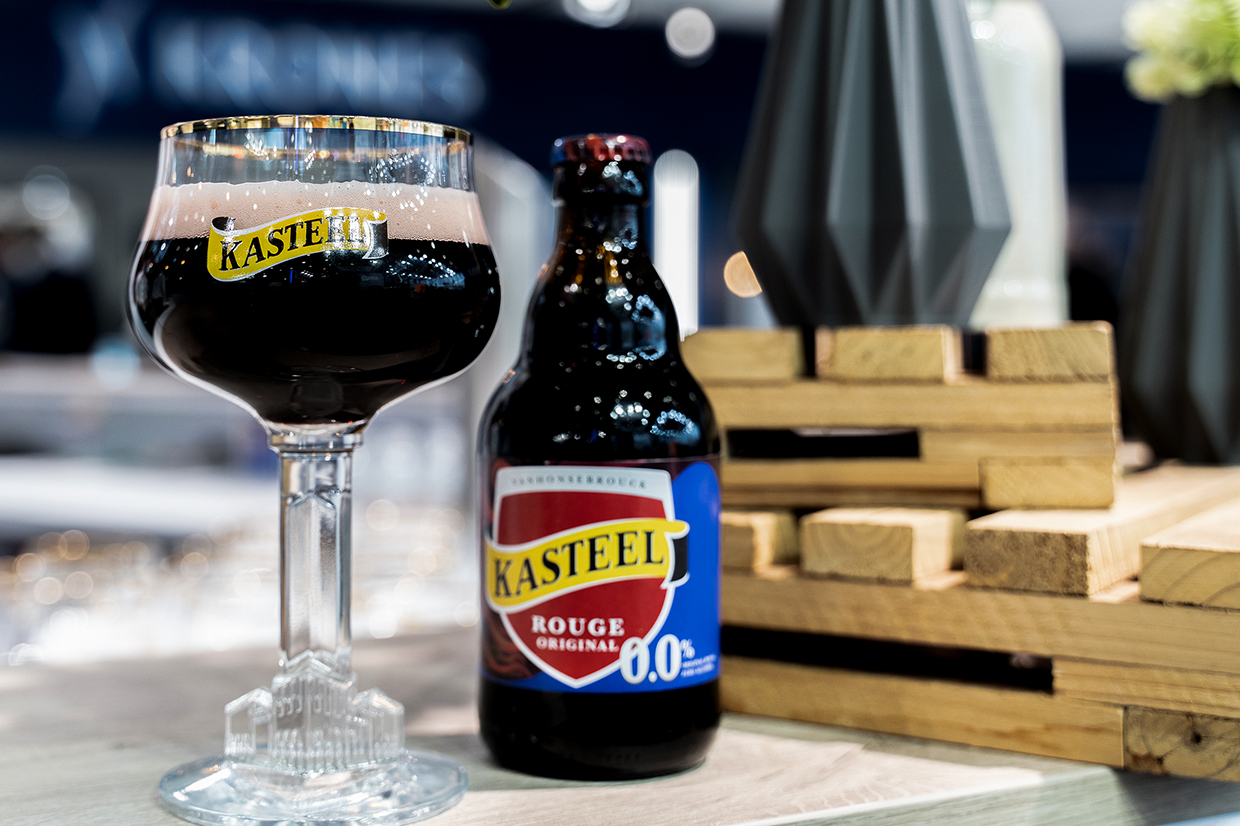
Besides a focus on health and a receptiveness to new, appealing products, there are of course a number of other aspects that tip the scales in favour of a buy. According to Mintel, sustainability in production and packaging, for example, will also gain in importance among consumers in the years ahead.
All in all, both studies concur that consumers are prepared to pay a reasonable price for top-quality non-alcoholic beverages because people consider them as drinks consumed for enjoyment, like their alcoholic counterparts.
A market-influencing trend
But what does that look like in practice? As far as non-alcoholic beer variants are concerned, Europe is leading the way. GlobalData’s survey showed that in 2023 around two thirds of all alcohol-free beers came from Europe, followed by Asia accounting for just under a quarter (see graph below). That is also corroborated by Steinecker’s sales staff, who confirm that they are seeing the biggest demand for non-alcoholic-beer kit in Central Europe and South-East Asia. Breweries in these regions are attempting to expand their base by including non-alcoholic drinks in their portfolio instead of relying solely on their traditional beer business. And Steinecker also sees huge market potential in the Middle East. What makes this region special is that demand there is explicitly for halal-certified beers with 0.0 per cent alcohol by volume (ABV), as an alternative to sugary soft drinks.
But quite a lot has also been happening in the regions where non-alcoholic beers were of no relevance at all in 2023 or played only a minor role. The trend has meanwhile made it to Latin America, Australia and Oceania, where demand has been rising. The topic of non-alcoholic beer seems to be less relevant in North America and Africa. According to Steinecker, demand for it in North America is currently small but quite stable. Only in Africa has beer with an alcohol content continued to increase in popularity whereas non-alcoholic variants do not (yet) play a major role.
Poseidon – spot-on solution for producing beers with 0.0 per cent alcohol by volume
And Steinecker was not slow in responding to the rising level of demand for non-alcoholic beer alternatives. Their team developed a special variant of the Poseidon recirculation unit that is able to produce beers with 0.0 per cent alcohol by volume. The key lies in using a special type of yeast known as crabtree-negative for the fermentation process. That is because in an aerobic environment these yeasts generate aroma compounds, but no alcohol. Poseidon ensures the requisite aeration and mixing, thus making for an even and efficient fermentation process that is the key to producing top-quality, non-alcoholic beers. In combination with the halal-certified NEER yeast, Poseidon is able to make beers with a 0.0 per cent alcohol by volume and a corresponding halal certificate.
At the same time, Poseidon reduces production costs because the system needs only half the raw materials compared to other processes and achieves short production times of less than four days. And since it saves water and energy, the process is also eco-friendlier. So it’s a genuine allrounder – for top-quality, eco-friendly and affordable non-alcoholic beer alternatives.
What about you? Have you already tried non-alcoholic beers? Or have they in fact become part of your everyday life? If you haven’t given them a try yet, the traditional “Dry January” seems to be the perfect opportunity. For their health’s sake, many participants of this trend abstain from alcohol in January. Why not join them in the new year and use the time to try out non-alcoholic drink variants? No matter whether it’s non-alcoholic beers, delicious mocktails or even alcohol-free gin: You can be sure to have a wide choice of drinks!