Aseptic filling has long since outgrown its former “niche” status. These days, it is becoming an essential tool for the commercial processing and filling of sensitive beverages and liquid foods, ensuring a high level of quality while making efficient use of resources and maximizing process reliability. Bottlers’ expectation is clear: they want more speed and flexibility without compromising the microbiological barrier at any point in the process chain. And that is precisely where Krones comes in. Performance needs a stable process. And stability comes when technology reduces the need for human intervention, minimizes interfaces and eliminates hygiene risks.
Aseptic filling has been experiencing fresh tailwinds lately as bottlers seek to achieve higher speeds and greater flexibility while ensuring maximum microbiological safety. To that end, Krones is working on solutions that accelerate changeovers, stabilize processes and secure the entire aseptic chain, from the preform right through to the ready-for-sale bottle.
Three forces driving a whole-system vision: cost, safety, performance
As Michael Gschwendner, Head of Aseptic Filling at Krones explains, “If you want to bring aseptic technology to a wider market, you have to master three things at once: competitive production costs, safety and scalability – from compact lines right through to the high-speed segment.” Krones has consistently focused on this triad when developing its aseptic solutions. Underlying those efforts is the understanding that aseptic systems can only be financially viable and reliable if sterilization, aseptic stretch blow-molding, bottle handling, filling and capping technology and flexible changeovers function as an integrated whole.
If you want to bring aseptic technology to a wider market, you have to master three things at once: competitive production costs, safety and scalability – from compact lines right through to the high-speed segment.
 Michael Gschwendner Head of Aseptic Filling at Krones
Consistent microbiological safety
Krones has been working on the aseptic filling of PET bottles for nearly 30 years now, continually helping to shape the evolution of technology in this field. From early concepts for aseptic bottle sterilization to preform sterilization, powerful solutions have become established over many years which so far enable production speeds as high as 60,000 bottles per hour.
Microbiological safety in aseptic filling doesn’t come down to a single machine or unit. Instead, it is the result of a continuous, integrated chain whose first link sets the baseline: preform sterilization.
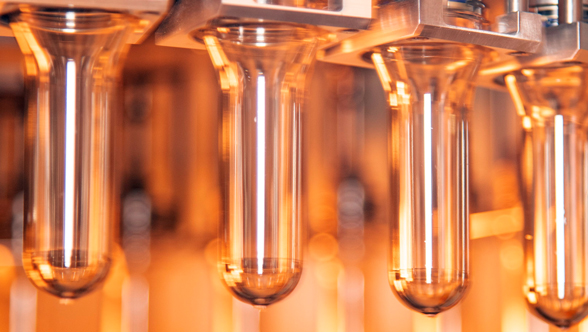
The Contipure preform-sterilization system addresses the challenge of balancing three key factors: high line speed, reliable sterilization performance and minimal H2O2 residues. The sterilization module combines compact size with maximum decontamination efficiency and is designed in such a way that the process can be adapted to the customer’s actual product portfolio, thus allowing for a high degree of flexibility.
That lowers two risks that typically arise at high speeds: First, it reduces the need to work with oversized safety margins, which often translate to losses in performance. Second, it enhances process stability in the face of changing requirements – a crucial component for ensuring consistent levels of microbiological safety in everyday operations.
Maximizing speed and stability in aseptic processing
When line speeds climb into the high-speed category (above 60,000 containers per hour), the need for safe and secure container handling and process stability increases more than proportionately. What may seem like a small issue, like product leakage at the filler or capper, can quickly become a major hygiene risk or efficiency problem.
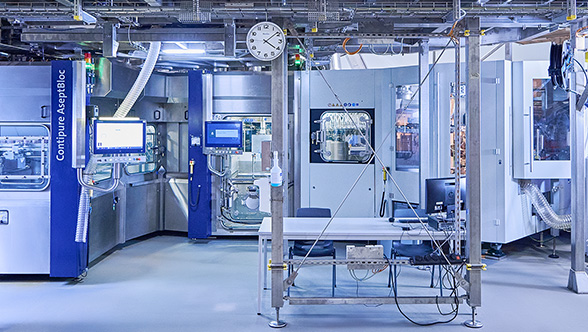
Krones addresses this reality with the Contipure AseptBloc, a high-speed concept based on a dual-filler system designed to maintain the utmost stability at high speeds. In it, a single aseptic blow molder supplies two fillers and two capper units. Specific operational targets, such as no spilling of product during filling or capping, precise bottle and cap handling and reduced maintenance requirements, are an integral part of the hygiene concept.
The high-speed kit available from Krones’ conventional portfolio serves as the reference point here: This aseptic version of the dual-filler system seeks to match the capacity of the ErgoBloc L at 100,000 PET containers per hour – but in a fully aseptic environment. And it shows that high-speed performance isn’t simply about numbers in isolation but rather the result of a robust platform architecture.
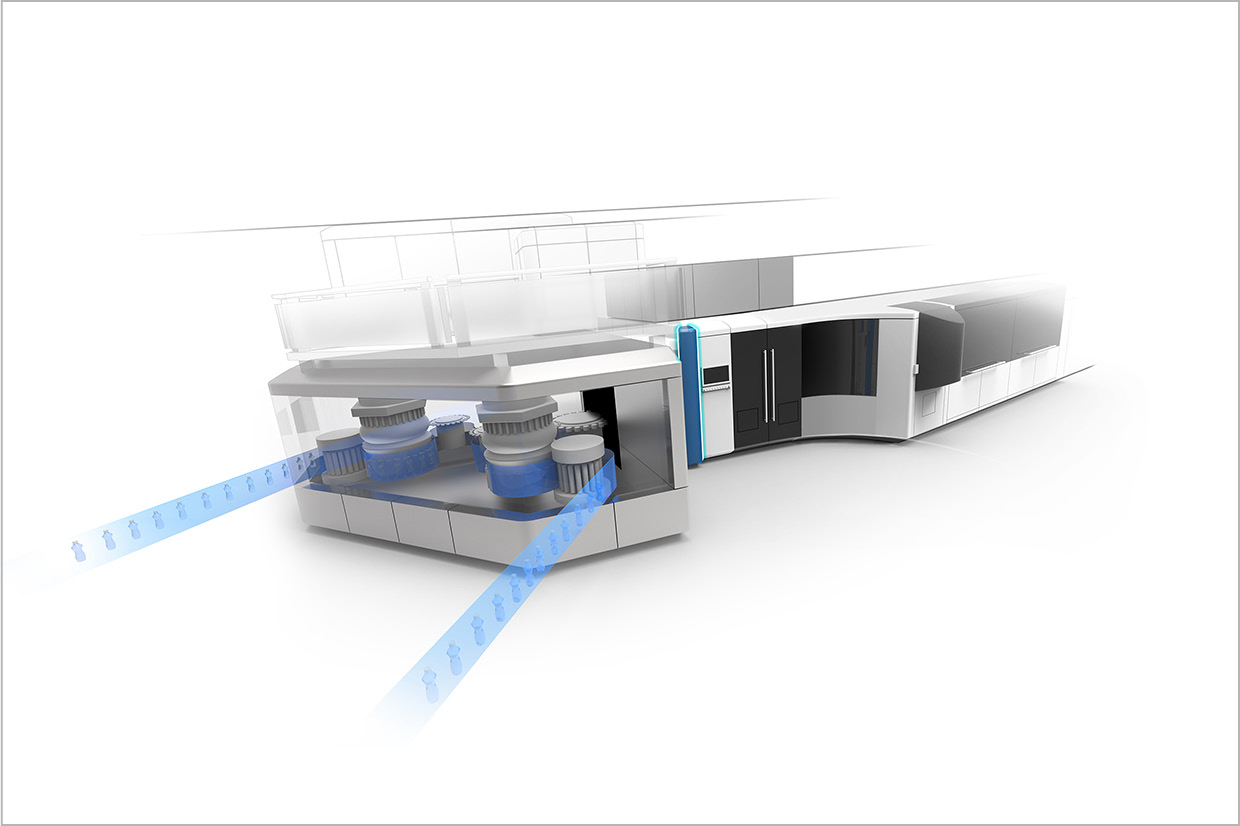
In practice, however, the performance of an aseptic line is not determined by maximizing output per hour alone. Productive time is also crucial. Anyone who runs frequent product or bottle-size changeovers knows this critical dilemma: every changeover costs time and every intervention in the sterile area increases the effort and downtime involved.
That is why Krones has integrated changeover concepts that enhance both speed and hygiene. The corresponding UnitXpress components from the LineXpress range are designed to accomplish product and bottle-size changeovers in mere minutes, without any human intervention in the sterile area. Combined with the infinitely adjustable aseptic PFR valve, this system gives beverage plants the capability and flexibility to introduce new products. The result is a true win-win situation: less downtime and reduced potential for contamination.
Prefero: bringing packaging and aseptics closer together
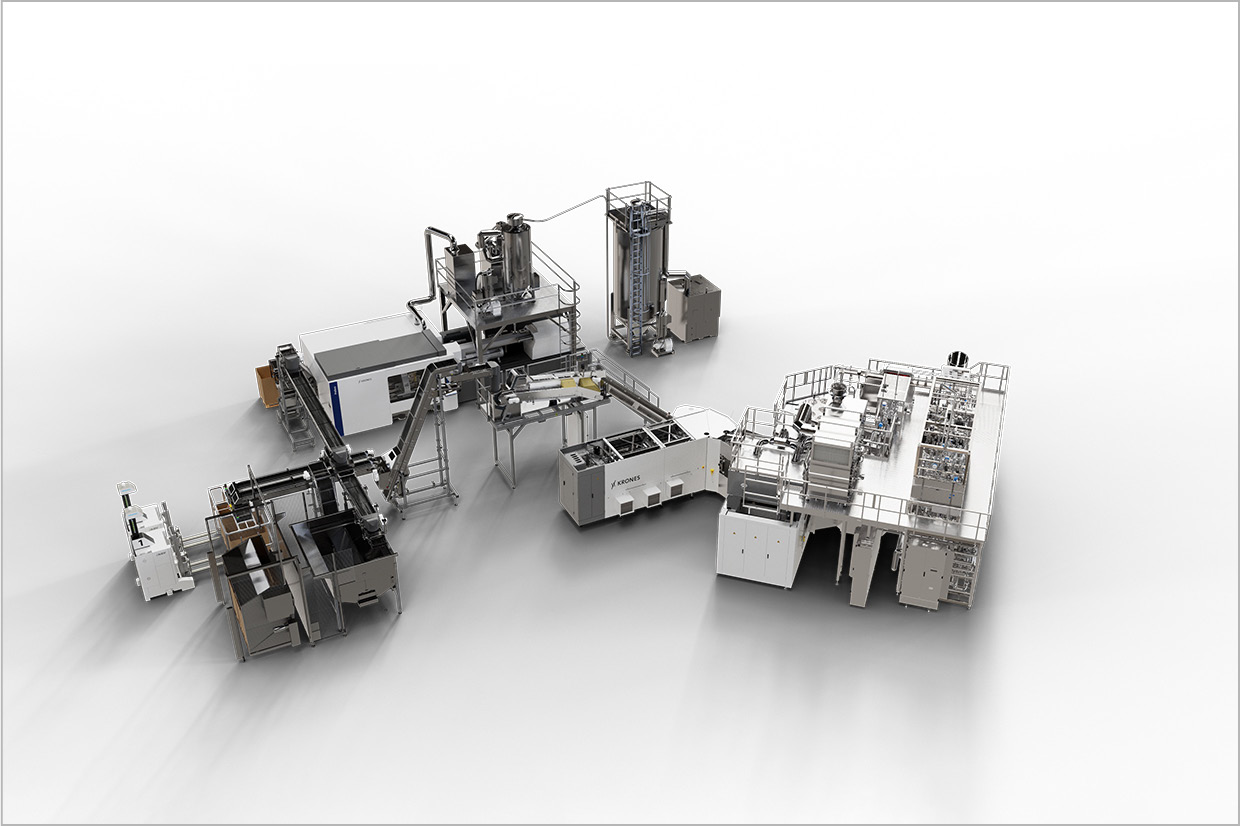
When it comes to achieving both speed and safety, reducing the number of interfaces is essential. This is precisely where integrating the PET injection-molding machine Prefero comes in as a potential future development. The goal is to link preform manufacture and aseptic filling even more closely. In this approach, injection molding and aseptic filling are no longer considered separately but rather as a potentially tightly-linked process chain. The effect at the system level is clear: minimized transfer points mean less handling and reduced hygiene risks. The Prefero system is, in fact, conceived as an extension of the Contipure AseptBloc. And in future, the packaging side is to eventually be directly connected to it as well.
Why aseptic systems are gaining in popularity: quality, energy, lightweighting
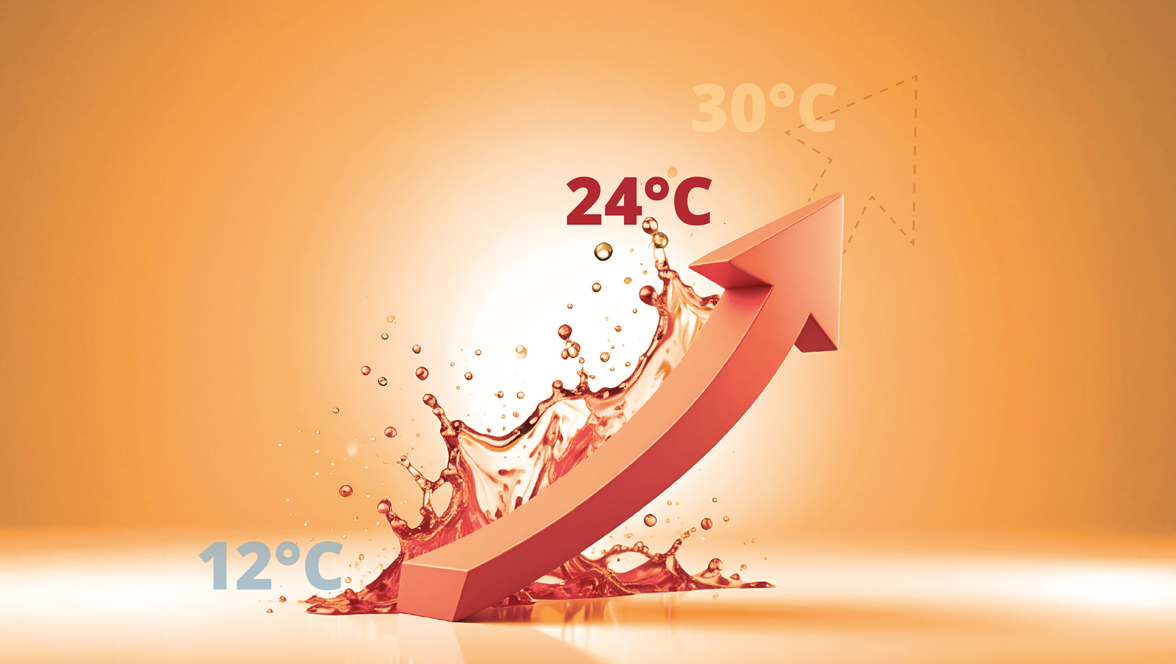
Aseptics are becoming increasingly important, not only from a hygiene perspective but also as an answer to market demands. For juices and sensitive products especially, the difference to conventional hot-filling concepts is highly relevant because the longer heat exposure that is typical of hot filling affects product quality. Aseptic processes, on the other hand, make it possible to ensure microbiologically safe filling while keeping heat exposure brief – with the ultimate goal being to keep the quality and ingredients closer to a profile that consumers perceive as fresh.
Energy and sustainability aspects also play a role. Aseptic solutions can provide considerable energy savings compared with hot filling or the making of fresh products, which must be kept refrigerated along the entire supply chain. Filling can be done at room temperature, and, most importantly, no cold chain is required for storage, transport and distribution. That makes for considerably lower energy consumption and carbon emissions, not only in production but also along the entire logistics chain. In addition, aseptic filling makes it possible to fill sensitive beverages in ultra-lightweight bottles without compromising product shelf life. Precisely these sustainability aspects are driving the shift to aseptic production in many markets.
Next steps: linking Contipure and Prefero in the field
Besides the technology goals, specific short-term milestones are also crucial – because they show how quickly innovations can be translated into robust industry practice.
The next step for the Contipure AseptBloc with the new Contipure model is field testing, which goes into production this spring. The plan is to validate a high-speed preform sterilization system with the features described above under real line conditions and then, ultimately, translate it into a standard.
A Prefero-Contipure AseptBloc combination is slated to go into production for the first time in Asia later this year. And so, the linking of preform production and aseptic filling is moving from the concept phase into reality – a crucial step toward proving its advantages in the field.
Aseptic production for the future – born of robustness, integration and speed
In other words, as we move away from optimizing speed and microbiological safety in isolation and toward looking at them together as an integrated whole, we are embarking on the next evolutionary stage of aseptic technology. Automated changeovers with no manual intervention in the sterile area, microbiologically safe and stable sterilization and filling, integrated process chains and scalable high-performance block concepts are the elements with which Krones is advancing this development. The objectives are clear: maximum productive time, high flexibility and a seamless microbiological barrier whose integrity is maintained even under the conditions of real, dynamic production operations.